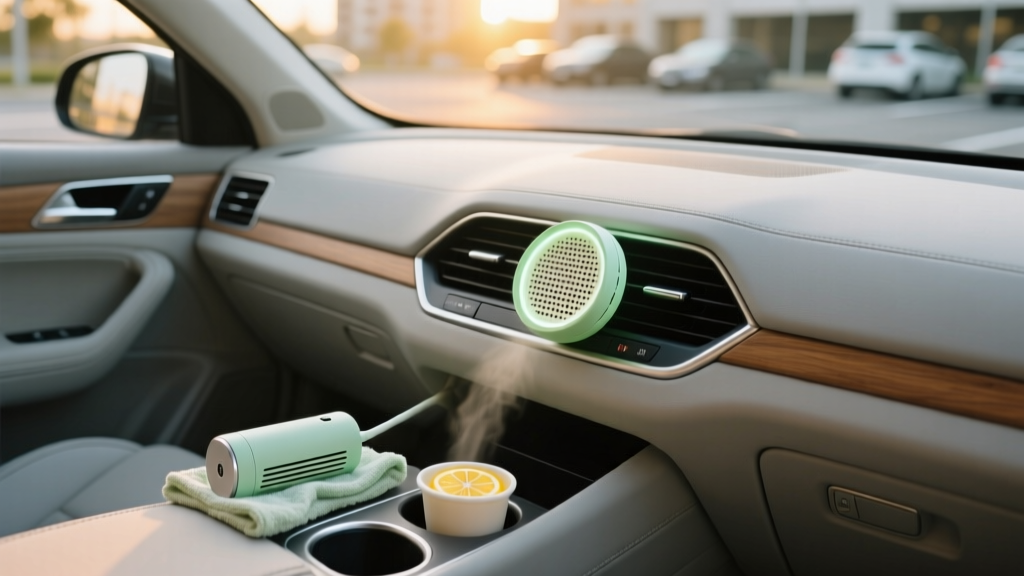
Odor Elimination Methods for Car Interiors (2026)
Bad smells in a car aren?t just annoying?they change how the cabin feels every time you open the door. A lingering ?mystery odor? can make a clean interior seem dirty, reduce resale value, and turn daily commutes into something you?d rather avoid. Even worse, some odors point to problems that won?t fix themselves, like moisture trapped under carpet, mold growth in the HVAC box, or spills that soaked into foam.
Part 1 typically covers the basics: removing trash, vacuuming, wiping hard surfaces, and using a simple odor neutralizer. This Part 2 guide goes deeper into the methods that actually eliminate stubborn odors at the source?ozone treatments, chlorine dioxide, HVAC deodorizing, carpet extraction, and targeted replacement of odor-holding materials. You?ll get installation-style steps you can follow at home, plus product comparisons and real-world tips so you can stop masking smells and start removing them.
If your car still smells like smoke, mildew, pet, sour milk, or ?wet dog? after a normal cleaning, this is the playbook.
Before You Start: Diagnose the Odor Like a Pro
The fastest way to waste time and money is treating the wrong source. Use this quick diagnostic checklist before you pick a method.
Common odor types and likely sources
- Mildew/moldy smell: Wet carpet padding, clogged sunroof drains, leaking door vapor barrier, damp trunk spare-tire well, cabin air filter, evaporator case.
- Smoke (cigarette/vape): Headliner, seat foam, HVAC ducts, cabin filter, door panels.
- Sour milk/food: Under-seat carpet, seat rails, between center console and seats, child seat area, trunk.
- Pet odor: Seat fabric, carpet fibers, cargo area liners, seat foam.
- Rotten/decay: Cabin air intake (rodent nest), trunk corners, under hood near cowl, HVAC box (dead critter?rare but serious).
- Sweet smell: Possible coolant leak (heater core) ? treat as a mechanical issue first.
Quick ?sniff test? mapping
- With the car closed overnight, open one door and smell near the floor, then near the headliner.
- Run HVAC on fresh air for 30 seconds, then switch to recirculation. If odor spikes when the fan starts, suspect the HVAC system.
- Check the trunk and spare tire well?moisture hides there.
- Feel carpet under mats. If it?s cool or damp, you likely have moisture trapped below.
Method 1: Ozone Treatment (O3) ? Best for Smoke and ?Lingering Cabin Funk?
Ozone is effective for oxidizing odor molecules, especially smoke and general stale smells. It?s not a substitute for cleaning?if you treat a car that still has spilled milk in the carpet padding, the smell will return. Think of ozone as a final-stage deodorizing tool after the source is removed.
Safety notes (read first)
- No people or pets in the car during treatment.
- Avoid breathing ozone; ventilate thoroughly afterward.
- Ozone can accelerate aging of some rubber and sensitive materials if overused. Use the lowest effective time.
Recommended ozone generator types
- Small ?portable? units (1,000?3,500 mg/h): Best for compact cars and mild odors.
- Mid-size units (5,000?10,000 mg/h): Best all-around for smoke and strong odors.
Step-by-step ozone ?installation? procedure
- Clean first: Vacuum, wipe surfaces, and remove obvious odor sources. Replace the cabin air filter if it?s old or smelly (see Method 3).
- Choose placement: Put the ozone machine on the center console or a flat box on the passenger floor so airflow isn?t blocked.
- Set HVAC for circulation:
- Start the car (or ignition in accessory mode if your vehicle allows the blower to run).
- Set fan to medium, recirculation ON, temperature to cold or neutral.
- Run duration:
- Mild odors: 10?20 minutes
- Smoke/strong odors: 30?45 minutes
- Avoid multi-hour runs unless you truly need it.
- Seal the cabin: Close doors and windows. If you must route the power cord, close it through a window with a towel to reduce leakage.
- After treatment: Turn off the generator, open all doors, and ventilate 30?60 minutes. A short drive with windows down helps.
Real-world tip
For smoke, ozone works best after you wipe the interior with a mild interior cleaner and warm water, because nicotine residue on plastics keeps releasing odor. Don?t skip the wipe-down.
Method 2: Chlorine Dioxide (ClO2) Odor Bags ? Best for Moldy/Musty Cars
Chlorine dioxide products (often sold as odor-removal ?bags? or pouches) off-gas slowly and can neutralize stubborn organic odors. They?re popular for musty interiors and flood-recovery situations, but you still must address the moisture source.
Product comparison: ozone vs chlorine dioxide
- Ozone: Faster (minutes), requires ventilation immediately after, great for smoke.
- Chlorine dioxide: Slower (hours to days), often better for deep musty odors, less equipment needed.
Step-by-step chlorine dioxide placement guide
- Dry the cabin first: If carpet is damp, jump to Method 4 (extraction and drying). ClO2 won?t fix active moisture.
- Park safely: Choose a shaded spot. Heat increases off-gassing; follow the product label.
- Place the pouch: Common locations:
- Center console cup holder
- On a plate in the footwell
- In the trunk for cargo-area odors
- Close the vehicle: Keep windows up for the recommended period (often 8?24 hours).
- Ventilate: Open doors and air out thoroughly afterward.
Practical tip
If your odor is strongest in the trunk, use one pouch in the trunk and one in the cabin, but only if the label supports the vehicle size. Over-treating can leave a chemical smell.
Method 3: HVAC Odor Elimination ? Cabin Air Filter + Evaporator Cleaning
If the smell blasts you when the fan turns on?especially after rain?your HVAC system is involved. The usual culprit is microbial growth on the evaporator core or a saturated cabin air filter.
What you?ll need
- New cabin air filter (OE or quality aftermarket)
- Evaporator cleaner foam (HVAC-specific product with a straw nozzle)
- Nitrile gloves and a flashlight
Step-by-step: replace the cabin air filter
- Locate the filter: Most are behind the glove box or under the cowl. Check your owner?s manual.
- Remove carefully: Note airflow direction arrow on the old filter.
- Inspect: If you see leaves, moisture, or mildew spots, that?s a major clue.
- Install new filter: Match the airflow arrow direction.
Step-by-step: evaporator foam treatment (typical glove-box access)
- Turn HVAC OFF and engine OFF.
- Access the evaporator drain area or HVAC box port depending on product instructions. Some products treat through the blower fan opening; others through a drain tube under the car.
- Apply foam: Insert straw and dispense until the recommended amount is used.
- Wait: Let the foam work for the specified dwell time (often 10?20 minutes). It will liquefy and drain out.
- Dry-out cycle: Start the engine, run the fan on medium with A/C OFF and heat ON for 5?10 minutes to dry the box.
Real-world example
That ?gym socks? smell that appears for 10 seconds at startup is classic evaporator funk. A new cabin filter alone helps for a week, then the odor returns. Treating the evaporator plus replacing the filter typically solves it for months or longer.
Method 4: Deep Carpet and Seat Extraction ? Best for Spills, Pet Odors, and Mildew
Odors love foam and padding. If liquid reached under the carpet or into seat foam, surface cleaning won?t touch it. Hot water extraction (or at least thorough extraction) is the fix.
Tools that work
- Portable extractor (great results, fastest drying)
- Wet/dry vacuum + pump sprayer (budget-friendly)
- Enzyme cleaner for organic odors (food, pet accidents)
Step-by-step extraction process
- Dry vacuum first: Remove sand and debris so you don?t turn dirt into mud.
- Pre-treat: Lightly mist enzyme cleaner on the affected areas. Let it dwell per label (commonly 5?15 minutes). Do not soak electronics areas.
- Agitate: Use a soft interior brush on carpet. For seats, use gentle agitation to avoid fuzzing fabric.
- Extract slowly: Make slow passes. Pull more moisture out than you put in. This is where results happen.
- Rinse pass (optional but helpful): Light mist of clean water, then extract again to reduce residue.
- Dry aggressively:
- Run fans, open doors in a safe area
- Use a dehumidifier in a garage if available
- Drive with heat on low and A/C on (A/C dehumidifies) after most moisture is removed
Pro tip for under-carpet moisture
If the carpet padding is soaked, extraction from the top may not be enough. Pull the door sill trim, lift the carpet edge, and check the padding. Sometimes you must remove the padding to dry fully?otherwise mildew returns in a week.
Method 5: Targeted Material Replacement ? When Cleaning Isn?t Enough
Some materials hold odor so stubbornly that replacement is the most cost-effective ?installation.? Common offenders are cabin filters, trunk liners, and smoke-saturated headliners.
High-impact replacements
- Cabin air filter: Low cost, huge impact.
- Floor mats: Especially foam-backed mats that absorbed spills.
- Trunk floor board/spare-tire foam insert: Often hides moisture and mildew.
- Headliner (smoke cases): Try cleaning first, but severe nicotine may require professional rewrap/replacement.
Step-by-step: replacing odor-trapping mats and liners
- Remove mats/liners and smell them away from the car.
- If they?re the main source, either:
- Soak and extract thoroughly, then dry fully, or
- Replace with rubber all-weather mats for easier future cleanup.
- Clean the carpet underneath before reinstalling.
Product Recommendations and What to Look For
- Enzyme cleaner: Choose one designed for automotive or upholstery use. Best for milk, food, pet odors.
- Evaporator foam cleaner: Look for products that explicitly mention HVAC/evaporator use and include a straw nozzle.
- Cabin air filter: Activated carbon filters help with odors, especially in urban areas. Great upgrade if your car supports it.
- Extractor: If you do frequent detailing, a compact extractor pays for itself quickly compared to repeated ?odor bomb? purchases.
Common Mistakes to Avoid
- Masking instead of removing: Heavy fragrance sprays mix with odors and create a worse smell.
- Ozone before cleaning: Ozone works best after residue and bio-sources are removed.
- Over-wetting seats and carpet: Too much liquid can create mildew and water stains. Extract more than you apply.
- Ignoring the HVAC system: You can detail the entire interior and still get hit with odor every time the fan runs.
- Skipping drying time: Most ?odor returns? are actually moisture returns.
- Not fixing leaks: Sunroof drains, door seals, and windshield leaks will undo all your work.
FAQ: Odor Elimination Methods (Part 2)
How do I know if I need ozone or chlorine dioxide?
If the odor is mostly smoke or general stale interior smell, ozone is usually faster and more effective. If the car smells musty/moldy and you?ve already dried the interior, chlorine dioxide bags can be excellent for deep-set organic odors.
Will ozone remove cigarette smell permanently?
It can, but only when paired with thorough cleaning. Smoke odor lives in headliners, seat foam, and HVAC ducts. Clean surfaces, replace the cabin filter, consider an evaporator treatment, then use ozone as the finishing step.
Why does my car smell worse when the A/C turns on?
That usually points to microbial growth on the evaporator core or a dirty cabin filter. Replace the filter and use an HVAC evaporator foam cleaner. Also make sure the evaporator drain isn?t clogged.
What?s the fastest way to dry wet carpet after extraction?
Extract slowly and repeatedly, then use strong airflow (fans), warm air, and low humidity. In a garage, a dehumidifier makes a huge difference. Avoid closing the car up while it?s still damp.
Can I use ?odor bombs? or foggers instead of deep cleaning?
Foggers can help as a final touch, but they won?t remove the source in carpet padding, seat foam, or HVAC components. If the smell is coming back, you need extraction, HVAC cleaning, or leak repair?not more fragrance.
My trunk smells musty, but the cabin is fine. What should I check first?
Start with the spare tire well and trunk side pockets for pooled water. Check trunk seals and tail light seals. Remove the trunk liner and let it dry fully before using any deodorizing treatment.
Conclusion: Your Next Steps for a Truly Fresh Cabin
If you want odor elimination that lasts, follow a simple order of operations:
- Find and remove the source (spills, moisture, smoke residue).
- Deep clean where odors hide (carpet padding, seat fabric/foam, trunk liners).
- Fix HVAC odors (cabin filter + evaporator treatment).
- Finish with a system-level deodorizer (ozone or chlorine dioxide), then ventilate well.
Pick one method that matches your odor type, do it thoroughly, and you?ll usually get better results than stacking three quick fixes. If the smell keeps returning, treat it as a moisture or contamination problem that?s still active?track it down and you?ll win.
For more step-by-step interior care, detailing workflows, and product-focused guides, explore the latest articles on carinteriormix.com.